
Parent serving vegetables onto a child’s plate during a calm mealtime, representing paediatric feeding support and family mealtime routines.

Paediatric Feeding

Assessment • Therapy • Sensory • Oral‑motor • Mealtime support

Selective eating, sensory feeding issues, restrictive eating and mealtime stress.
We support infants, children and teens with complex feeding needs through multidisciplinary assessment and gentle, low‑pressure therapy.

Adult drinking water from a glass, representing swallowing assessment and dysphagia support across the lifespan.

Swallowing & Dysphagia

Assessment • Safety • Mealtime plans • Carer training

Coughing, choking, wet voice or difficulty swallowing food, fluids or medications.
We assess and manage swallowing difficulties across the lifespan, supporting safety, comfort and confidence at mealtimes.

Adult cuddling closely with a newborn, representing nurturing, responsive breastfeeding and infant feeding support.

Breastfeeding & Infant Feeding

Lactation • Bottle feeding • Tongue tie • Solids introduction

Breastfeeding pain, bottle refusal, tongue tie concerns and slow weight gain.
We support families with evidence‑based help for breastfeeding, bottle feeding and early feeding development.

Age‑Specific Feeding & Swallowing Support

Feeding and swallowing challenges look different at every stage of life. Thrive provides specialised support for:

Icon representing feeding support for babies at Thrive Feeding Clinic

Babies

(0–12 months)

Breast and bottle feeding challenges, tongue tie concerns, reflux and early difficulties transitioning to solids, including concerns about latch, coordination and comfort.

Icon representing feeding support for infants and toddlers at Thrive Feeding Clinic

Infants & Toddlers

(1–3 years)

Emerging food selectivity, sensory sensitivities, mealtime stress, refusal to try new foods, anxiety or developmental feeding delays as toddlers navigate growing independence.

Icon representing feeding and swallowing support for children and teens at Thrive Feeding Clinic

Children & Teens

(4–17 years)

Picky eating, anxiety around food, oral‑motor difficulties and choking concerns, including complex paediatric feeding disorders that affect growth, nutrition and confidence.

Icon representing swallowing support for adults at Thrive Feeding Clinic

Adults

(18–64 years)

Swallowing difficulties, choking episodes, avoiding social eating and changes after illness or injury, often related to neurological conditions, respiratory issues or deconditioning.

Icon representing swallowing support for older adults at Thrive Feeding Clinic

Older Adults

(65+)

Age‑related swallowing changes, neurological conditions, weight loss and recurrent chest infections, dysphagia linked to dementia, stroke, frailty or reduced oral‑motor control.

Icon representing feeding support for babies at Thrive Feeding Clinic

Babies

(0-12 months)

Breast and bottle feeding challenges, tongue tie concerns, reflux and early difficulties transitioning to solids, including concerns about latch, coordination and comfort.

Icon representing feeding support for infants and toddlers at Thrive Feeding Clinic

Infants & Toddlers

(1–3 years)

Emerging food selectivity, sensory sensitivities, mealtime stress, refusal to try new foods, anxiety or developmental feeding delays.

Icon representing feeding and swallowing support for children and teens at Thrive Feeding Clinic

Children & Teens

(4–17 years)

Picky eating, anxiety around food, oral‑motor difficulties and choking concerns, including complex paediatric feeding disorders that affect growth, nutrition and confidence.

Icon representing swallowing support for adults at Thrive Feeding Clinic

Adults

(18–64 years)

Swallowing difficulties, choking episodes, avoiding social eating and changes after illness or injury, often related to neurological conditions, respiratory issues or deconditioning.

Icon representing swallowing support for older adults at Thrive Feeding Clinic

Older Adults

(65+)

Age‑related swallowing changes, neurological conditions, weight loss and recurrent chest infections, dysphagia linked to dementia, stroke, frailty or reduced oral‑motor control.

About Thrive Feeding Clinic

THRIVE provides specialised feeding and swallowing assessment and support for children and adults across the Hunter. Our multidisciplinary team — Speech Pathology, Occupational Therapy, Behaviour Support and Psychology — works together to understand the full picture behind feeding and mealtime challenges.

Led clinically by Dr Stefani Knijnik (PhD), THRIVE was created from a shared commitment to improving outcomes for families experiencing feeding and swallowing difficulties. Our team brings diverse expertise, collaborative practice and evidence‑based care to support meaningful, lasting change.

Different disciplines, different strengths — one team.

The THRIVE multidisciplinary feeding and swallowing team, including speech pathologists, occupational therapists and behaviour support practitioners, in a warm clinic setting.

Video Library

Explore our team, our feeding therapy approach and what your sessions may look like.

Welcome to Thrive

A short introduction to our clinic and how we support safe, positive mealtime experiences for all ages.

Meet the Thrive Team

Get to know our clinicians and the values that guide our approach to feeding and swallowing support.

How Feeding Therapy Works

A simple overview of what to expect in assessments and therapy sessions.

Why Choose Thrive?

Icon representing PhD-led expertise at Thrive Feeding Clinic

Expertise

Led by Dr Stefani Knijnik (PhD), a clinician with a PhD in paediatric feeding disorders and extensive clinical experience in adult and geriatric dysphagia, our approach is grounded in research and clinical skill.

Icon representing multidisciplinary feeding and swallowing care at Thrive Feeding Clinic

Multidisciplinary

Feeding is shaped by sensory, oral‑motor, behavioural and medical factors. Our combined Speech Pathology + Occupational Therapy assessments ensure every area is considered.

Icon representing responsive, gentle, trauma-informed feeding therapy at Thrive Feeding Clinic

Responsive

We do not use force‑feeding or exposure‑based methods. Our readiness‑based approach protects the feeding relationship and reduces stress for children, adults and families.

Icon representing family-centred feeding and swallowing support at Thrive Feeding Clinic

Family‑Centred

Parents and carers are part of the team. We respect your experience and goals, offering practical strategies you can use at home from the very first session.

Icon representing feeding and swallowing support across the lifespan at Thrive Feeding Clinic

Lifespan

From breastfeeding challenges to paediatric feeding disorders, adult dysphagia and age‑related swallowing changes, we support clients across the lifespan with no exclusions.

Icon representing PhD-led expertise at Thrive Feeding Clinic

Expertise

Led by Dr Stefani Knijnik (PhD), a clinician with a PhD in paediatric feeding disorders and extensive clinical experience in adult and geriatric dysphagia, our approach is grounded in research and clinical skill.

Icon representing multidisciplinary feeding and swallowing care at Thrive Feeding Clinic

Multidisciplinary

Feeding is shaped by sensory, oral‑motor, behavioural and medical factors. Our combined Speech Pathology + Occupational Therapy assessments ensure every area is considered.

Icon representing responsive, gentle, trauma-informed feeding therapy at Thrive Feeding Clinic

Responsive

We do not use force‑feeding or exposure‑based methods. Our readiness‑based approach protects the feeding relationship and reduces stress for children, adults and families.

Icon representing family-centred feeding and swallowing support at Thrive Feeding Clinic

Family‑Centred

Parents and carers are part of the team. We respect your experience and goals, offering practical strategies you can use at home from the very first session.

Icon representing feeding and swallowing support across the lifespan at Thrive Feeding Clinic

Lifespan

From breastfeeding challenges to paediatric feeding disorders, adult dysphagia and age‑related swallowing changes, we support clients across the lifespan with no exclusions.

Telehealth Feeding Assessments

Telehealth appointments may be available in selected circumstances where clinically appropriate.

(Please note: swallowing assessments must be completed in person.)

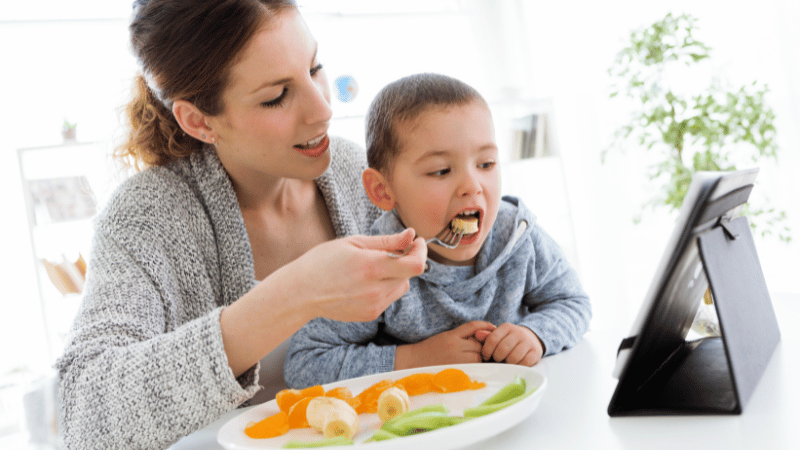
Parent supporting a child with eating during a video call, representing telehealth feeding assessment and therapy.

Telehealth Feeding Assessments

Telehealth appointments may be available in selected circumstances where clinically appropriate.

(Please note: swallowing assessments must be completed in person.)

Parent supporting a child with eating during a video call, representing telehealth feeding assessment and therapy.

Scroll to Top