
Feeding Support for Babies
Breastfeeding, bottle feeding & early feeding development support in Newcastle & the Hunter Region
The first year of life is a critical period for feeding development. THRIVE provides specialist feeding assessment and support for babies aged 0–12 months, including breastfeeding, bottle feeding, early oral‑motor development and the transition to solids.
Our clinicians support families across Newcastle, Lake Macquarie and the Hunter Region, helping you understand your baby’s feeding cues, reduce stress and build confidence during this important stage.
What we support

Our approach
Feeding support for babies at THRIVE is provided by clinicians with advanced training in:
We explore

Our goal is to support safe, comfortable and developmentally appropriate feeding for both babies and parents.
Signs your baby may benefit from a feeding assessment

What to expect

Infant feeding assessment
A detailed assessment exploring feeding history, latch, oral‑motor skills, feeding patterns, weight concerns and family goals.

Breastfeeding support
Guidance for latch, positioning, pain reduction and milk transfer.

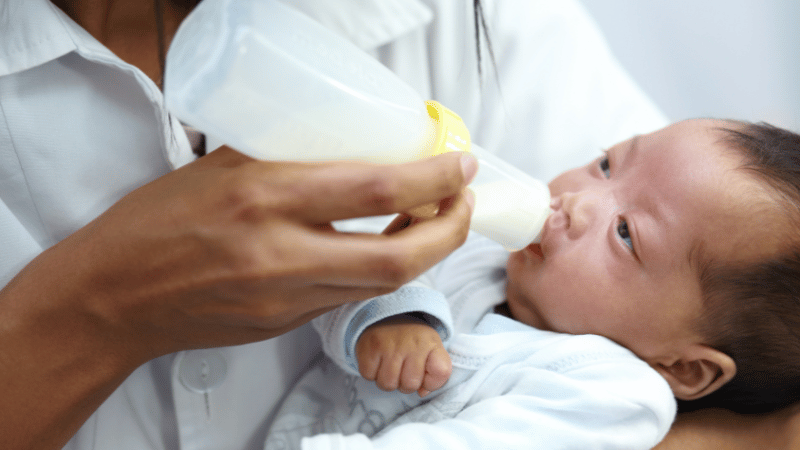
Bottle feeding support
Support for flow rate, pacing, positioning and feeding efficiency.

Solids introduction
Evidence‑based guidance for readiness, textures, oral‑motor development and early feeding confidence.

Parent coaching
Clear, compassionate support to help you feel informed and confident.
Telehealth for babies
Some aspects of infant feeding support — such as parent coaching — can be delivered via telehealth. However, hands‑on feeding assessment is usually best completed in person for safety and accuracy.

Ready to feel more confident feeding your baby?
We’re here to support you with gentle, evidence‑based infant feeding care.
Frequently Asked Questions
Yes — we support all feeding methods, including breastfeeding, bottle feeding and mixed feeding.
Yes — we assess feeding function and provide guidance. We collaborate with medical providers when further review is needed.
Yes — we provide evidence‑based guidance for safe, developmentally appropriate solids introduction.
No. You can contact us directly to arrange an appointment. Referrals from GPs, paediatricians, or other health professionals are welcome but not required.
You’ll receive clear information about the findings, along with practical strategies and recommendations tailored to your goals and routines. If further support or collaboration with other health professionals is helpful, we will discuss this with you.
We are based in Newcastle, NSW, and support families across the Hunter region and Central Coast, including Lake Macquarie, Maitland, and Port Stephens.
Some aspects — such as parent coaching — can be delivered via telehealth. However, hands‑on feeding assessment is usually best completed in person.
Yes — we support self‑managed, plan‑managed and NDIA‑managed participants when feeding is related to disability or developmental needs.