
For adults, older adults and carers
Swallowing difficulties can appear gradually or suddenly — after illness, with ageing, or alongside neurological conditions. A swallowing assessment helps identify what’s happening and how to keep eating and drinking safe.
Here’s what to expect.
1. A conversation about your concerns
We start by discussing:
- what you’ve noticed
- when symptoms occur
- any recent changes
- medical history
- medications
- fatigue or breathing changes
This helps us understand the full picture.
2. Oral‑motor assessment
We look at:
- tongue movement
- lip seal
- strength and coordination
- saliva management
These skills play a big role in safe swallowing.
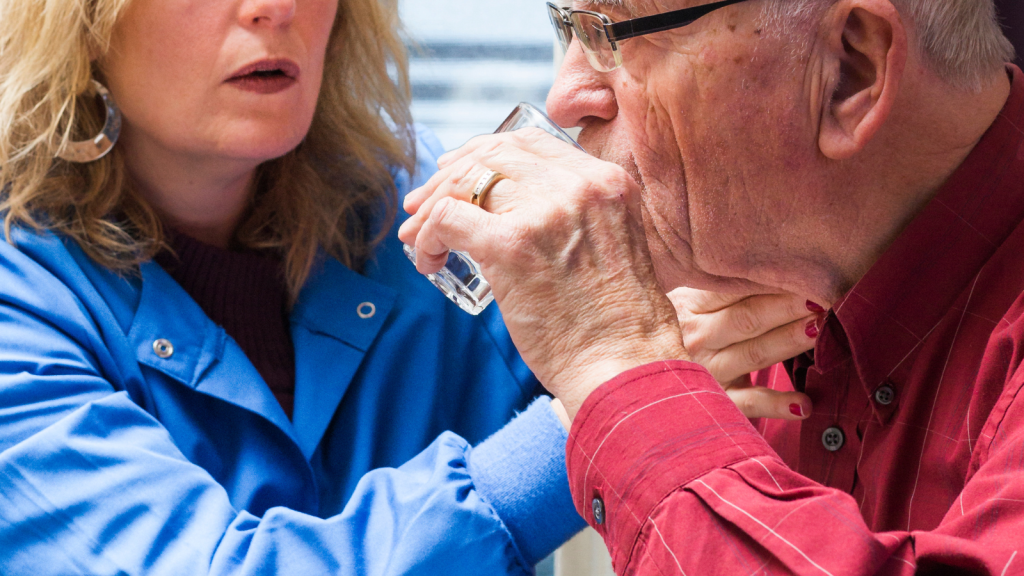
3. Observation of eating and drinking
We may observe you with:
- sips of water
- puree
- soft foods
- regular textures (if safe)
This helps us see how your muscles, timing and coordination are working.
4. Identifying signs of risk
We look for:
- coughing or throat clearing
- wet or gurgly voice
- changes in breathing
- food or fluid residue
- fatigue during meals
These can indicate swallowing difficulty.
5. Clear recommendations
You’ll receive practical guidance such as:
- safe textures and fluids
- pacing and positioning
- strategies to reduce risk
- supervision needs
- when medical follow‑up is needed
6. Next steps
This may include therapy, a mealtime management plan, or referral for instrumental assessment (e.g., FEES when available).
A swallowing assessment is gentle, respectful and focused on safety, comfort and confidence.